The scholarship
the church left
in the margins.
Rigorously sourced biblical and historical guides for people who were handed a translation and told it was a text.
Word studies. Translation history. Named scholars. No overstatement.
Someone sat down
with the lexicon open.
obody translated arsenokoitai as "homosexual" until 1946. The word had been sitting there in Greek for roughly 1,900 years, apparently content to mean something else. The translators who made that choice later said they weren't certain about it. That's a hundred-year-old decision most people have inherited as if it came from Sinai.
Marginalia was founded by a trans man with over ten years of Bible study leadership and graduate-level research training. Not a linguist — a rigorous student of the scholarship, working from published scholars, lexicons, and translation records, and citing every claim.
The skill here is making that scholarship usable by the people who need it — the kind of people the church's dominant voices were never writing for, and who are now fact-checking their own instincts at 2am.
Where scholars split, this work says so. Where a claim can't be sourced, it gets cut. One overstated sentence costs the reader everything — and this audience, burned by overstatement before, will notice.

Marginalia — biblical scholarship for the people who needed it most

First 90 Days Out
A practical rebuild guide for people newly deconstructing
Your Sundays are suddenly free. This is, it turns out, disorienting. So is figuring out what to do with your questions, your relationships, and the nagging feeling that you're either the first person to notice this or the last.
This guide doesn't tell you what to believe. It gives you a map for the first weeks — what to do with the grief, the relief, the people who don't get it yet, and the ones who get it too well.
Not a theology book. Not a memoir. A practical guide for the part nobody writes about.
What's inside:
- What to do with the people who are worried about you
- How to handle the questions you can't stop asking
- Grief, relief, and how to tell them apart
- What community looks like when it's not a church
- How to get through the Sundays
PDF delivered to your inbox. Read it tonight.
Unbound
A Scholar's Guide to the 7 Passages Used Against LGBTQ+ Christians
Seven passages. Each one with a word study, historical context, translation history, and honest interpretation — sourced throughout. The Hebrew and Greek do things that most English translations don't show you.
This guide covers Genesis 19, Leviticus 18 and 20, Romans 1, 1 Corinthians 6, 1 Timothy 1, Jude 7, and Genesis 1–2. The to'evah question. The arsenokoitai question. The Sodom question. All of them, carefully.
People often buy it to hand to a parent, a pastor, or themselves.
Seven passages examined:
- Genesis 19 & Sodom — what the text actually condemns
- Leviticus 18 & 20 — to'evah, ritual purity, and context
- Romans 1 — honor/shame culture and the argument's structure
- 1 Corinthians 6 & 1 Timothy 1 — the 1946 translation decision
- Jude 7 — "strange flesh" and what scholars actually say
- Genesis 1–2 — what "male and female" does and doesn't establish
PDF delivered to your inbox. Often gifted. Always sourced.
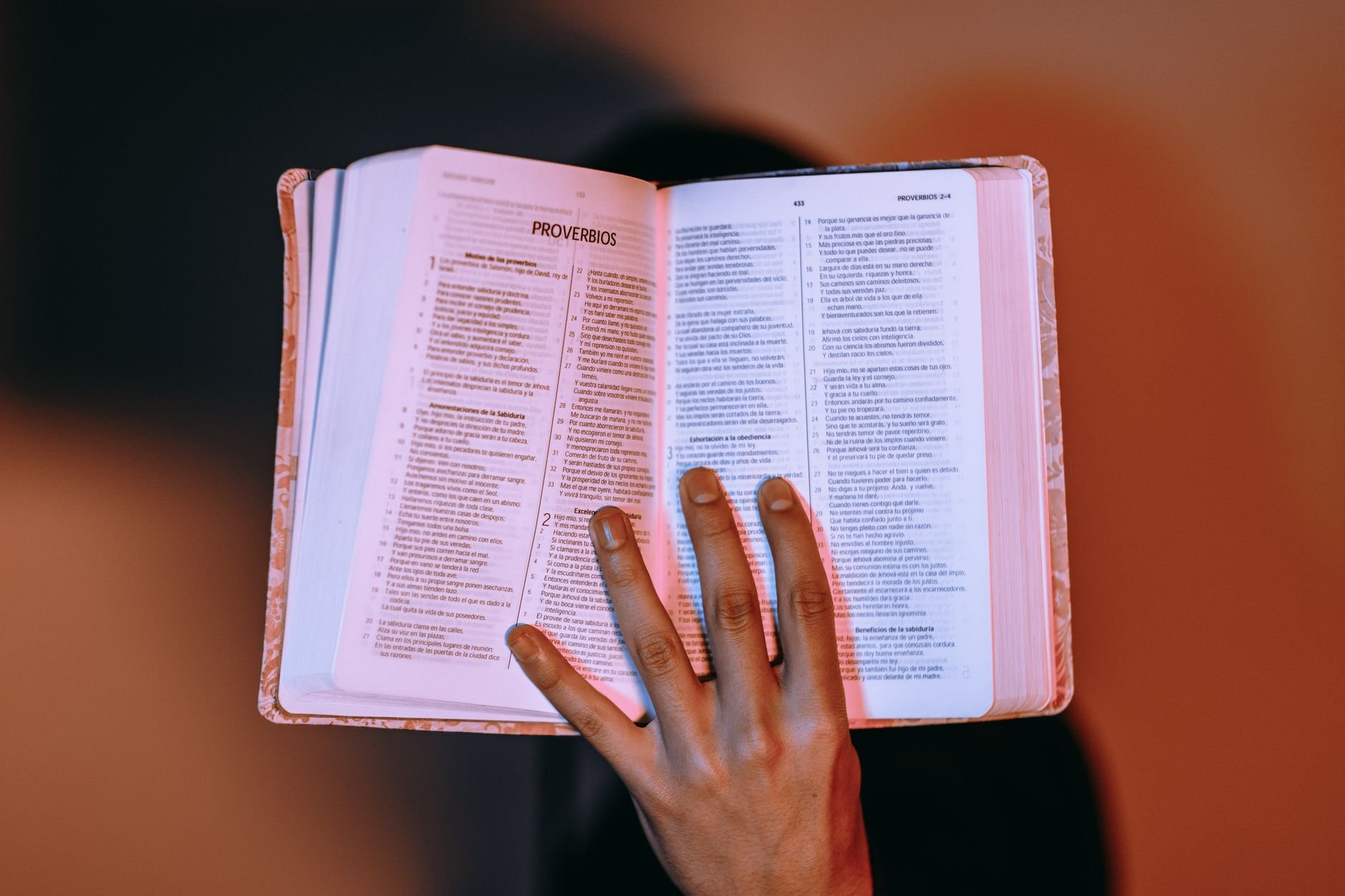
The word translated "abomination" in Leviticus is to'evah. It shows up for shellfish, for mixed fabrics, for charging interest. It marks ritual impurity, not moral horror. That distinction does a lot of work.
More guides are in the works.
Each one built the same way — sourced, careful, written for the people who need the full picture. Deconstruction turns out to be a surprisingly large topic.
First Year Out
Longer-term reconstruction. Identity, community, what belief looks like now.
Finding Community Outside Faith
The loneliness question. What to do when the community was the church.
Deconstructing Evangelicalism
The history, the politics, the theology — where it came from and what it costs.
What You Didn't Learn in Sunday School
The church history, the manuscript gaps, the ANE context that never made it into the pews.
Ancient Near East Mistranslations That Change Everything
The words that got carried across centuries with the wrong meaning attached.
Know when new guides drop. Join the list.
The scholarship,
in your inbox.
One piece of rigorous, sourced scholarship per week. Translation history. Word studies. The historical context that changes how a passage reads. Free, always cited, no pitch at the top.
- Named scholars, not anonymous summaries
- No culture-war framing, no political hot takes
- Unsubscribe any time, no questions
Common questions
Who is Marginalia written for?
People mid-deconstruction, exvangelicals, LGBTQ+ Christians and the people who love them. Anyone who was handed a translation and told it was a text — and is now checking.
What is First 90 Days Out?
A practical rebuild guide for people newly deconstructing. What to do with your Sundays, your relationships, your questions about whether any of it was real. Not a theology book — a map for the first weeks. $19 PDF, delivered instantly.
What is Unbound?
Unbound: A Scholar's Guide to the 7 Passages Used Against LGBTQ+ Christians is a $27 PDF guide covering Genesis 19, Leviticus 18 and 20, Romans 1, 1 Corinthians 6, 1 Timothy 1, Jude 7, and Genesis 1–2. Each passage receives word study, historical context, translation history, and careful interpretation — sourced throughout.
Is this scholarship or advocacy?
It is scholarship made accessible. Every linguistic and historical claim cites published scholars, lexicons, or translation records. Where scholars disagree, the guide says so. No claim is made that cannot be sourced.
Who wrote these guides?
Marginalia was founded by a trans man with over ten years of Bible study leadership and graduate-level research training. Not a linguist — a rigorous student of published scholarship, working from scholars, lexicons, and translation history, and citing every source.
What format are the guides delivered in?
PDF, delivered to your inbox instantly after purchase. No account required. Read them on your phone at 2am — we won't judge.